For thousands of years, a single plant has accompanied human civilization, providing clothing, shelter, paper, and nutrition. That plant is hemp (Cannabis sativa L.). Long before it became a cornerstone of the modern wellness industry, industrial hemp was celebrated as one of the most resilient, fast-growing, and versatile agricultural crops on Earth.
Today, as the world shifts toward sustainable solutions and clean, plant-based lifestyles, this ancient botanical is experiencing a massive global renaissance. To truly appreciate the quality of premium full-spectrum extracts, we must explore the roots of the plant itself, understanding its biological blueprints, its environmental benefits, and why it remains nature’s premier gift for human equilibrium.
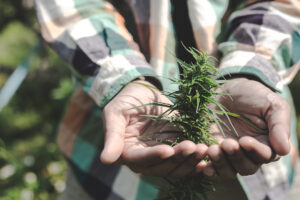
The Biological Architecture of the Plant
To understand why industrial hemp is so efficient, we have to look at its unique botanical design. It is a dioecious plant, meaning it develops distinct male and female plants, and its growth cycle is incredibly rapid, reaching maturity in just 90 to 120 days.
- The Taproot System: Industrial hemp develops a powerful, deep-reaching taproot that can penetrate up to two to three meters into the ground. This deep structural network allows the plant to access nutrients and water from lower soil layers that standard crops cannot reach, making it highly drought-resistant.
- The Stalk (The Fiber Powerhouse): The stem of the plant is a marvel of natural engineering. It consists of two layers: the outer bast fibers, which are among the longest and strongest natural fibers known to science, and the inner woody core (hurds). This structure allows the plant to grow tall and straight without breaking under heavy winds.
- The Trichomes (The Botanical Laboratories): On the aerial parts of the female plant, specifically around the flowers, nature develops microscopic resin glands called trichomes. These tiny structures are the actual laboratories of the plant, responsible for synthesizing the dense profile of non-intoxicating cannabinoids, terpenes, and flavonoids that protect the plant from environmental stress and UV radiation.
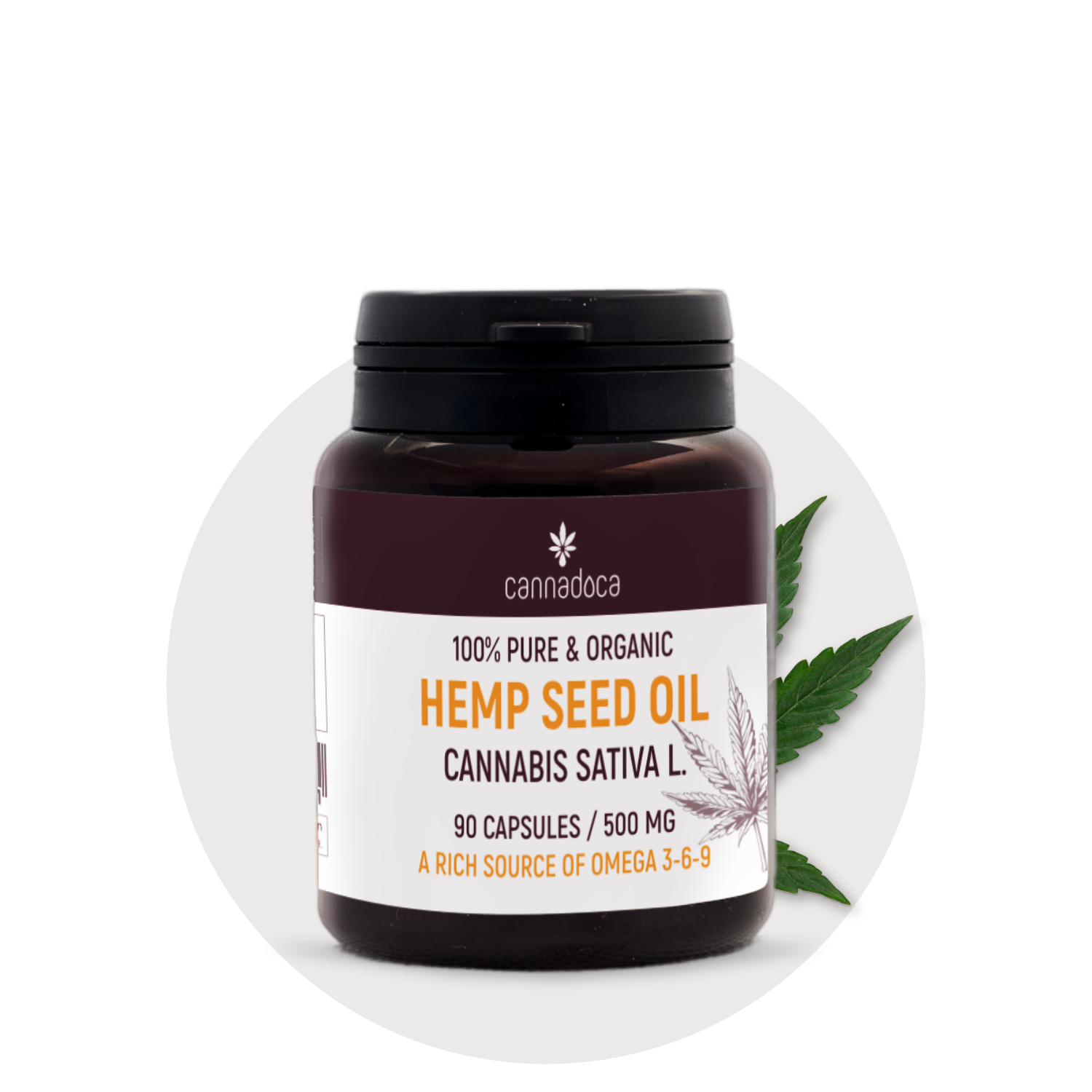
Understanding Industrial Hemp
To fully appreciate the value of this plant, it is essential to clarify its botanical classification. While hemp belongs to the broader Cannabis Sativa L. family, it is a highly specialized agricultural variety cultivated specifically for its non-intoxicating properties and structural utility.
- The Chemical Blueprint: The defining feature of industrial hemp is its unique botanical profile. It is naturally engineered by nature to be rich in supportive, non-intoxicating compounds like CBD and CBG. Unlike other varieties of the same plant family, industrial hemp lacks the chemical composition required to produce mind-altering effects, keeping your mental clarity completely sharp and untouched.
- The Legal Threshold: Globally, industrial hemp is subject to strict agricultural standards. To be certified, the plants must maintain a non-intoxicating profile that sits safely below the strict legal limits. This trace environment is strictly monitored from seed to harvest, ensuring the raw material remains safe, compliant, and focused purely on wellness.
- The Purpose: While other varieties of the plant family are grown for different extraction goals, industrial hemp is cultivated as a sustainable powerhouse. Its flowers are utilized for clean wellness extracts, its seeds for dense nutrition, and its stalks for eco-friendly fibers.
Hemp Through the Ages
Human history is fundamentally intertwined with industrial hemp. It is not a modern discovery, but rather an ancient partner that shaped global industries for millennia.
- The Ancient East (2700 BC): Archaeological evidence shows that hemp was one of the very first plants to be woven into fabric. In ancient China, it was used to create the world’s first durable paper, clothing, and military equipment, such as bowstrings.
- The Age of Sail and Exploration (16th–18th Century): The colonization of the world and global trade routes would have been impossible without this plant. For centuries, the sails, ropes, and rigging of every major shipping fleet—including Christopher Columbus’s ships—were made exclusively from hemp because of its natural resistance to saltwater rot.
- The Early Modern Era: In the United States and Europe, farmers were once legally required to grow hemp due to its strategic industrial importance. It was used for lamp oil, banknotes, and high-quality textiles before industrialization shifted focus toward synthetic alternatives.

The Sustainability of Hemp
In an era where environmental consciousness is paramount, hemp stands out as one of the most eco-friendly crops a farmer can cultivate. It doesn’t just give us high-quality wellness products; it actively heals the planet while growing.
- Natural Pest Resistance: The plant grows so densely and possesses such robust natural defensive aromatic properties (terpenes) that it requires no chemical pesticides or herbicides to thrive. This ensures the raw agricultural material remains clean from the very start.
- Phytoremediation (Soil Purifier): Hemp acts as a natural vacuum, absorbing toxins and pollutants from degraded soils, leaving the land cleaner and more fertile for future crops.
- Carbon Negative Champion: One hectare of industrial hemp can absorb up to 15 tons of CO2 from the atmosphere in just a single growing season. This makes its carbon capture capabilities significantly more efficient than a forest of the same size, actively helping to balance global carbon footprints.
- Water Efficiency: Compared to traditional textile crops like cotton, hemp requires a fraction of the water to mature, making it a highly sustainable choice for future agricultural models.


The Whole-Plant Philosophy
One of the reasons hemp is considered a botanical masterpiece is that absolutely nothing goes to waste. The plant is a zero-waste crop, where each component delivers distinct value to human lifestyles and industries.
- The Flowers and Leaves: This is where the premium wellness magic happens. The aerial parts of the hemp plant are covered in trichomes. It is from these flowers that Cannadoca carefully extracts the full-spectrum compounds used to support your daily internal balance.
- The Seeds: Often classified as a superfood, the seeds of the plant are rich in essential fatty acids (Omega-3 and Omega-6) and plant-based proteins. They are utilized to create highly nutritious oils and dietary additions that support cellular health.
- The Stalks and Fibers: The outer bark of the stalk contains some of the strongest natural fibers on earth. Today, it is even used to create sustainable building materials and biodegradable alternatives to plastic.
Frequently Asked Questions
Yes, absolutely. The very same plant species (Cannabis sativa L.) that provides clean botanical extracts for wellness is also used to produce ultra-durable textiles, rope, canvas, and paper. The long, incredibly strong bast fibers found in the outer stalk of the industrial hemp plant have been utilized by global industries for thousands of years due to their natural resistance to wear and environmental decay.
Industrial hemp is one of the oldest domesticated crops in human history. Archaeological findings and historical records show that its cultivation dates back over 10,000 years, beginning in ancient Asia. It was primarily grown for its highly nutritious seeds and its versatile, durable fibers, making it a foundational agricultural staple for early civilizations.
No, quite the opposite. Industrial hemp is famously low-maintenance and eco-friendly. Because it grows very densely and possesses a robust, natural defense system through its aromatic compounds (terpenes), it naturally chokes out weeds and resists pests. This means a proper, premium crop can be grown efficiently without the need for artificial chemical pesticides or herbicides, ensuring a clean raw material from the start.
Hemp is an exceptional example of natural efficiency because every single part of the plant can be utilized commercially. The green flowers and leaves provide premium full-spectrum botanical compounds; the seeds provide essential plant proteins and oils for nutrition; and the rigid stalks are processed into industrial fibers, sustainable building materials, and biodegradable alternatives to paper and plastic. Nothing goes to waste.
You might like this:
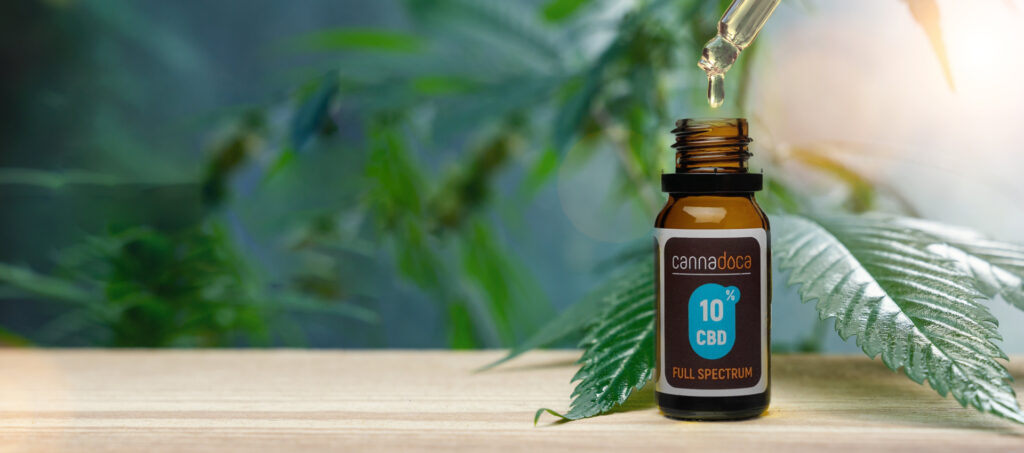
The Carrier Advantage: Why Premium C8-MCT Oil is the Perfect Partner for CBD
Look beyond the main label and discover why the choice of carrier oil matters. Learn the science behind pure C8-MCT oil, how it protects delicate plant properties from oxidation, and how to choose the right formulation strength for your wellness baseline.
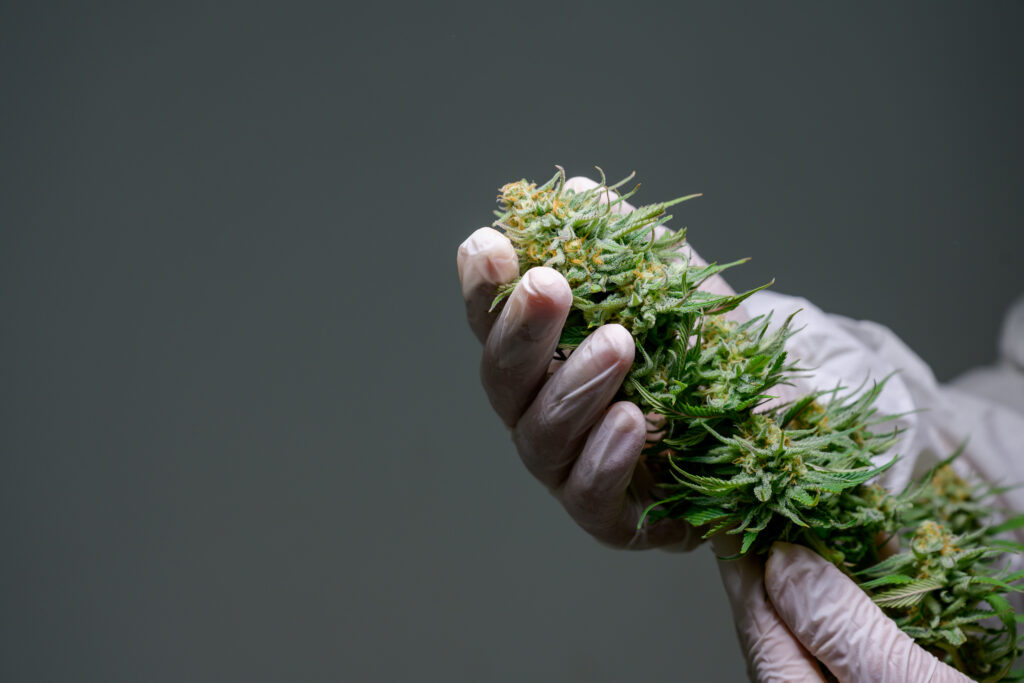
The Science of Cannabinoids: History, Harmony, and the Botanical Power of Hemp
Cannabinoids are not a single ingredient; they are a diverse family of naturally occurring active compounds found within the hemp plant.

Understanding Concentrations: 5% vs 20% CBD Oil – Where Should You Start?
High percentage or gentle entry? Discover the structural science behind hemp concentrations, learn how to look past the label percentages to calculate total milligram volume, and find the perfect formulation strength to support your body’s unique baseline.
