
The Science of Proportions: Achieving the Omega 3-6-9 Ratio
It is a well-established fact that omega fatty acids are vital for systemic health. However, the true benefit lies not just in their presence, but in their precise proportions. Understanding the differences between Omega 3, 6, and 9 is the first step toward optimizing your nutritional intake.
Quality Over Quantity
More is not always better. The modern diet often provides an abundance of fatty acids, but rarely in the proportions the human body requires. Ensuring you receive the right amount—and more importantly, the correct ratio—is essential for maintaining internal balance.
The Path to Nutritional Precision
Securing the ideal 3-6-9 ratio should be an effortless part of your daily routine. By choosing botanical sources that naturally offer a synchronized profile, you eliminate the guesswork.
Hemp-based nutrients provide a streamlined way to achieve this equilibrium. Instead of managing multiple supplements, a single high-integrity source can provide the structural harmony your body needs to function at its peak.
Understanding Essential Fatty Acids
What exactly are Omega fatty acids, and why are they considered the foundation of biological vitality?
In the simplest terms, Omega fatty acids are the building blocks of our cellular structures. They are classified as “essential” because, while they are critical for the body to function, our systems cannot synthesize them naturally. To maintain our internal balance, we must integrate Omega-3 and Omega-6 into our routine through high-quality dietary sources or professional-grade supplements.
The Biological Foundation
When we discuss the physiological advantages of nutrient-dense foods—such as cold-water fish, seeds, or nuts—it is the Omega fatty acids that are responsible for the most vital work. They support the body’s resilience, ensuring that our systems remain robust and capable of thriving in a demanding modern environment.
By prioritizing a clean and precise source of these essential lipids, you are providing your body with the fundamental tools it needs for long-term systemic harmony.
Botanical sources are widely recognized for providing a clean and efficient supply of Omega-3 and Omega-6. While flax seeds and sunflower seeds are common choices, hemp seeds stand out as a premier source of these essential lipids.
The advantage of hemp-derived Omegas lies in their natural composition. Unlike other seeds, hemp provides a uniquely bioavailable profile that is easily integrated into the body’s metabolic processes. By choosing high-altitude, clean-sourced hemp seeds, you ensure that these vital oils are free from the environmental contaminants often found in lower-quality alternatives.

The Golden Ratio: Why Hemp Seed Oil is the Intelligent Choice
In recent years, health and nutrition professionals have increasingly highlighted the profound advantages of hemp seed oil. Its primary strength lies in its naturally occurring 1:3 ratio of Omega-3 to Omega-6—a proportion widely regarded by science as the ideal synergy for supporting long-term health.
A Complex Profile of Essential Lipids
Hemp seed oil is a rich source of vital fatty acids, including Linoleic Acid (LA), Alpha-Linolenic Acid (ALA), and the rare Gamma-Linolenic Acid (GLA). Rather than being mere supplements, these compounds act as fundamental building blocks that:
- Support Cardiovascular Resilience: By contributing to the maintenance of healthy cholesterol levels and systemic circulation.
- Enhance Metabolic Harmony: Providing the lipids necessary for cellular energy and structural integrity.
- Maintain Internal Balance: Ensuring that the body’s inflammatory response remains in a state of natural equilibrium.
Omega 3-6-9: The Shared Foundation
Before exploring their individual roles, it is important to understand what these three fatty acids have in common. At their core, Omega-3, Omega-6, and Omega-9 are the fundamental lipids required for the human body to maintain its structural and functional integrity.
The Common Thread: Essential Support
Regardless of their specific classification, all three Omegas act as vital components of cell membranes. They are the “architects” of our cellular health, ensuring that our systems can communicate effectively and remain resilient against external pressures.
The primary difference between these lipids lies in how our bodies acquire them:
- The Essentials (3 & 6): Omega-3 and Omega-6 are strictly exogenous. Since the body cannot synthesize them, they must be introduced through high-quality botanical sources or targeted supplementation to maintain a healthy internal balance.
- The Non-Essential (9): Omega-9 is somewhat unique because the body has the capacity to produce it internally. While it is still necessary for metabolic harmony, its presence in food is less critical than its essential counterparts, provided the body has the right building blocks.
By understanding this shared biological necessity, we can see why a precise, high-integrity source of these lipids—like cold-pressed hemp oil—is so vital for a sustained state of wellness.


Integration & Precision: Finding Your Daily Omega Routine
To experience the full potential of hemp-derived fatty acids, consistency and precision are key. Integrating these essential lipids into your daily ritual ensures that your system maintains a steady state of balance and resilience.
Determining the Right Amount
The ideal intake of hemp seed oil depends on the form you choose and your personal wellness objectives.
- Hemp Seed Oil (Liquid): For those who prefer direct integration, a daily serving of approximately three tablespoons provides a robust supply of Omegas in their ideal 1:3 ratio. This versatile oil can be consumed directly or incorporated into culinary creations, such as dressings and smoothies, to enhance your nutritional foundation.
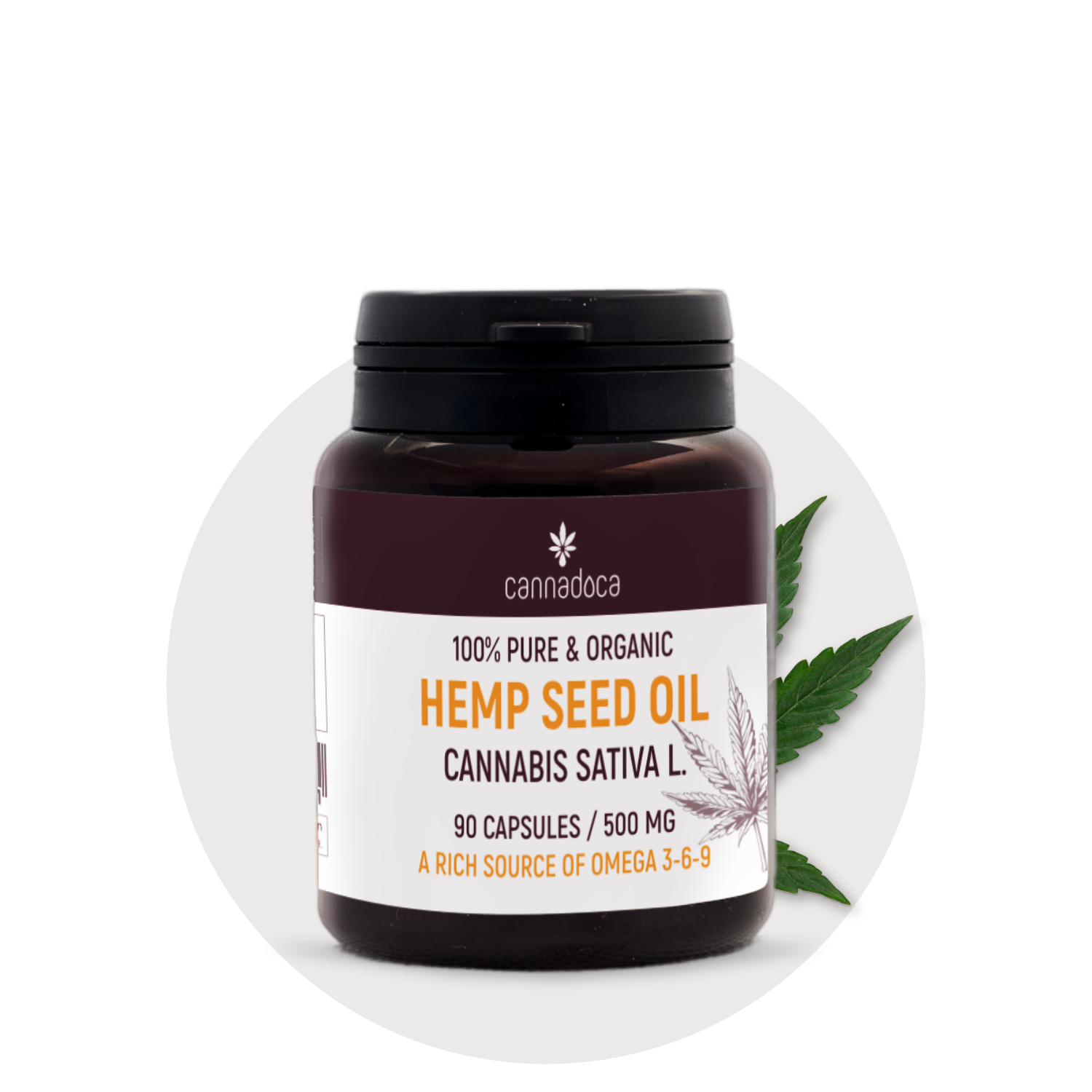
- Hemp Seed Oil Capsules: For individuals seeking maximum precision and convenience, capsules are the preferred choice. We recommend a daily routine of 1 to 3 capsules, depending on your specific needs. This encapsulated form protects the delicate fatty acids from oxidation, ensuring that you receive a high-integrity dose every time.
Whether you choose liquid oil or capsules, the efficacy remains rooted in the purity of the source.
Universal Nutrition: Essential Fatty Acids for Every Lifestyle
Regardless of dietary preferences or restrictions, Essential Fatty Acids (EFAs) remain a biological necessity for everyone. While different nutritional paths offer various ways to acquire these lipids, integrating high-quality Omegas can be a seamless and efficient process for any regimen.
Plant-Based & Vegetarian Foundations
For those following a Vegan or Vegetarian lifestyle, botanical sources are the primary pillar of nutritional support.
- Vegan Sources: Beyond seeds, nuts, and algae, high-integrity oils like flax and hemp seed oil offer a concentrated dose of EFAs. Hemp seed oil, in particular, is a favored choice due to its superior bioavailability and complete plant-based profile.
- Vegetarian Options: In addition to botanical oils, EFAs can be sourced through fortified dairy and organic eggs, providing multiple pathways to achieve your daily requirements.
The Role of Omegas in Keto & Metabolic Adjustments
For individuals on a Keto or low-carb diet, Essential Fatty Acids are more than just nutrients—they are a critical energy source. As the body transitions its primary fuel source, EFAs play a fundamental role in:
- Metabolic Efficiency: Supporting the body’s ability to adapt to new dietary rhythms and lifestyle shifts.
- Sustained Vitality: Maintaining consistent energy levels, which is a cornerstone of the ketogenic experience.
- Systemic Balance: Ensuring that even with restricted food groups, the body receives the structural lipids necessary for cellular health.
You might like this:

Hemp Seed Oil: The Nutritional Powerhouse for Your Skin and Body
Hemp seed oil is a popular product and for a good reason. There are many benefits to taking hemp seed oil, including supporting heart health, reducing inflammation, and more.
Top 10 Science-Backed Benefits of Black Seed Oil
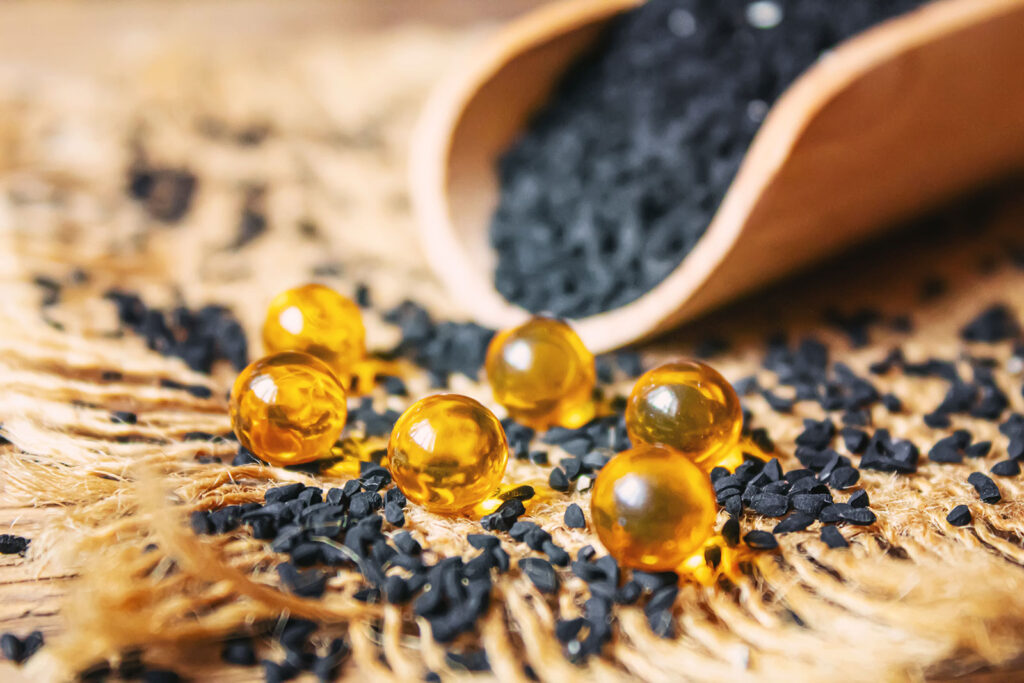
Today, black seed oil is celebrated globally as a highly respected natural product. Let’s explore the modern science behind this ancient powerhouse, its most effective uses, and how it can help you maintain your daily equilibrium.
